
Workshop on Body Composition Analysis: Principles & Hands-on Training
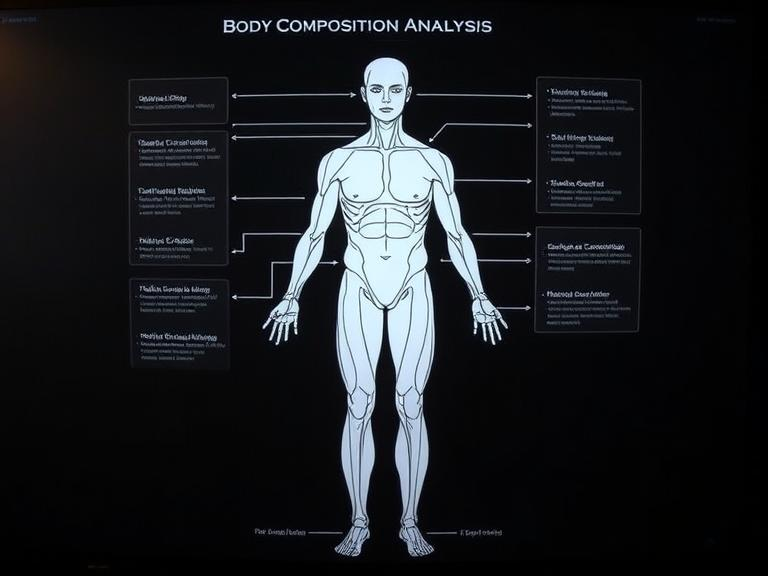
Workshop on Body Composition Analysis:
Principles & Hands-on Training
About
About: This workshop provides a comprehensive understanding of body composition assessment, including theoretical concepts, practical demonstrations, and hands-on training with different measurement techniques. Participants will gain skills to analyze and interpret body composition data for clinical, fitness, and research applications. The recommendations are given for maintaining body shape by diet and exercise.
Workshop Agenda
a. Introduction to Body Composition Analysis
• Understanding body compartments: Fat mass, Lean mass, Bone mass, Water content
• Importance of body composition in nutrition, fitness, and clinical health
• Overview of reference values & standards (WHO, NHANES, ICMR guidelines)
b. Methods of Body Composition Assessment (Lecture & Live Demonstration of Tools)
• Basic Anthropometry: BMI, Waist-Hip Ratio, Mid-Upper Arm Circumference (MUAC)
• Skinfold Thickness Measurement (Calipers) – 3-site, 7-site method
• Bioelectrical Impedance Analysis (BIA) – Principles & real-time demo
c. Hands-on Training & Practice Session (Participants will measure and analyze body composition using)
• Skinfold Calipers (Hands-on practice in pairs)
• BIA Machine (Measuring fat percentage, lean mass, hydration levels)
• Waist-Hip Ratio & Circumference Measurements
d. Interactive Session:
• Participants record, compare, and interpret results
• Discussion on accuracy, limitations, and best practices
Guidelines
a. Participants will be practicing into small group’s
b. Participants will be assigned instructors or student assistants to guide each group.
c. All participants will be getting hands-on experience with:
• BMI, Waist-Hip Ratio, Mid-Upper Arm Circumference (MUAC)
• Skinfold Calipers (triceps, biceps, subscapular, suprailiac sites)
• Bioelectrical Impedance Analysis (BIA)
d. Participants will be practicing “peer assessment” while maintaining professional boundaries.
Faculty Coordinators
Ms. Vandana Garg (MRIIRS)